
DeepSeek Funding Explained: The $15 Billion Round Shaking Up the AI Race (2026 Guide)
DeepSeek funding just made history. The Hangzhou-based AI lab has closed a financing round worth about $15 billion — roughly 100 billion yuan — one of the largest private fundraises China has ever seen, and a sign that the world’s most famously efficient AI company is about to stop fighting with one hand tied behind its back. First reported by Bloomberg on 22 October 2026 and confirmed within hours by Reuters, the Wall Street Journal and TechCrunch, the round landed just two days after Washington ordered US federal civilian agencies to strip DeepSeek’s technology out of their systems. Banned in Washington, banked in Beijing: that, in six words, is the story of this DeepSeek funding round.
In this guide we unpack the whole DeepSeek funding story — who wrote the cheques, why a battery maker and a food-delivery giant want a piece of an AI lab, what founder Liang Wenfeng’s $1 billion revenue claim actually means, how the planned 2027 Shanghai IPO could reshape the AI race, and what all of it means for you. Whether you chat with DeepSeek’s free app or build on its famously cheap developer API, this DeepSeek funding round will change what you get — and what you pay.
Table of Contents
- DeepSeek Funding: What Just Happened
- Who Is Behind the $15 Billion?
- Why This DeepSeek Funding Round Is Different
- The Money Machine: $1B Revenue and 70–80% Margins
- The 2027 IPO: DeepSeek’s Road to the Shanghai STAR Market
- Banned in Washington, Banked in Beijing
- What Does DeepSeek Funding Mean for You?
- Frequently Asked Questions
DeepSeek Funding: What Just Happened
On Thursday 22 October 2026, Bloomberg broke the news: DeepSeek had raised about $15 billion in its latest funding round. Within hours, Reuters confirmed the figure with four people familiar with the matter, putting the precise number at about 100 billion yuan ($14.98 billion). The Wall Street Journal and TechCrunch quickly followed with their own confirmations and added crucial financial detail. This is not a rumour or a target — the DeepSeek funding round is, in the words of Reuters’ sources, “wrapping up”, with the money expected to be fully committed in the coming days.
Three numbers tell you why this DeepSeek funding round matters so much:
- $15 billion — one of the biggest private funding rounds in Chinese history, and by far the largest ever raised by a Chinese AI lab.
- 100 billion yuan — double the 50 billion yuan target DeepSeek started with. The company raised its goal at least twice during talks with investors, from 50 billion to 80 billion yuan before landing on the final figure, according to people familiar with the discussions.
- $74 billion — the approximate pre-money valuation, or about 500 billion yuan before the new capital is injected, per both Reuters and the Wall Street Journal.
To put the trajectory in perspective: just four months ago, in June 2026, DeepSeek closed its first external funding round at a valuation of around $50 billion, raising more than $7 billion. In July it was reportedly seeking another $1.5 billion at roughly $71 billion. Now the DeepSeek funding machine has nearly doubled the company’s paper value in a single quarter — a repricing driven, Bloomberg’s sources say, by investor demand that outran even the company’s own expectations after its latest model releases.
One honest caveat before we go further: Reuters notes that the financial details and the final investor line-up are “not ironclad and could still change” until the round formally closes. Treat the names below as very well-sourced rather than officially confirmed — none of the companies involved have commented publicly.
The models this money will scale are the same ones reshaping the market right now. If you want the technical background, our DeepSeek V4.1 Flash explainer covers the efficiency release that helped trigger this investor frenzy.
Who Is Behind the $15 Billion DeepSeek Funding?
The DeepSeek funding round drew more than 15 investors — and the guest list is as interesting as the headline number. The biggest cheques came from two existing shareholders doubling down:
- CATL (Contemporary Amperex Technology) — the world’s largest EV battery maker, and a cornerstone of China’s industrial supply chain.
- Tencent — the WeChat operator and one of China’s biggest technology conglomerates, already a major DeepSeek backer from the June round.
Then came the newcomers, and this is where the DeepSeek funding story gets genuinely fascinating. Joining the round for the first time are Midea (home appliances), Meituan (food delivery), Geely (automobiles) and GigaDevice (semiconductors). On the financial side, Boyu Capital, CPE and Legend Capital signed on, while existing shareholders IDG Capital and NetEase added to their positions.
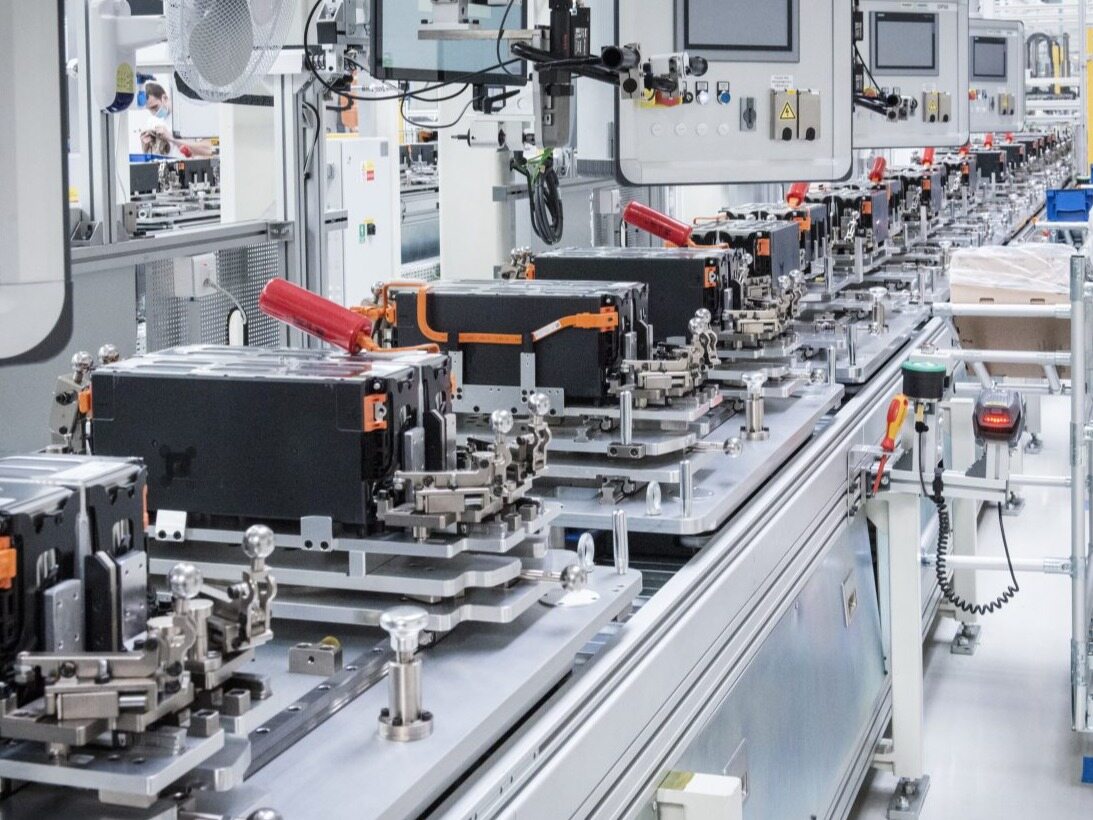
Why would a battery manufacturer, an appliance maker and a food-delivery platform all want a slice of an AI research lab? Because this DeepSeek funding round is not really about AI software in isolation — it is about who controls the physical stack that AI runs on. CATL’s batteries power the data centres and EVs that will consume AI compute; GigaDevice makes the chips; Geely’s cars need in-vehicle AI; Tencent’s WeChat gives DeepSeek potential distribution to over a billion users; Meituan and Midea bring real-world deployment channels for AI agents in commerce and the smart home. As Omdia chief analyst Lian Jye Su told Reuters: “Given that they (the investors) are all Chinese and critical component supply chain vendors, I can see DeepSeek itself becoming a key part of these domestic tech supply chains.”
There is also a geopolitical dimension to the money. Reuters reports that many of the investors are backed by the state and large corporations, as Beijing pushes to get ahead in the AI race against the United States. This DeepSeek funding round is, in part, industrial policy expressed through private capital — China building a vertically integrated AI champion, from chips and batteries to models and apps.
Why This DeepSeek Funding Round Is Different
Large funding rounds happen every month in AI. What makes this DeepSeek funding round unusual is the reversal it represents — and the demand dynamics behind it.
For years, founder Liang Wenfeng ran DeepSeek like a research institute that happened to have a hedge fund attached. He turned away venture capitalists while rivals like Moonshot and Zhipu raised billions. The lab’s stated philosophy — that profit pressure corrupts long-horizon research — became part of its brand, and its sudden dominance in early 2025 was celebrated partly because it seemed to prove that capital was not the point. That era lasted exactly until the economics of frontier AI caught up with the philosophy. Between April and September 2026, DeepSeek executed one of the most dramatic corporate reversals in Chinese technology history: Liang personally committed roughly ¥20 billion (about $2.8 billion) of his own money to kick off the first external round, and the company went from “we don’t take outside capital” to raising $22 billion in under six months.
The second unusual feature is the demand curve. DeepSeek did not struggle to fill this round — it had to raise the target twice because investors kept asking for larger allocations. Going from 50 billion to 100 billion yuan mid-process is the opposite of the usual “we cut the target” story, and it tells you how aggressively capital is chasing exposure to frontier AI in China right now.
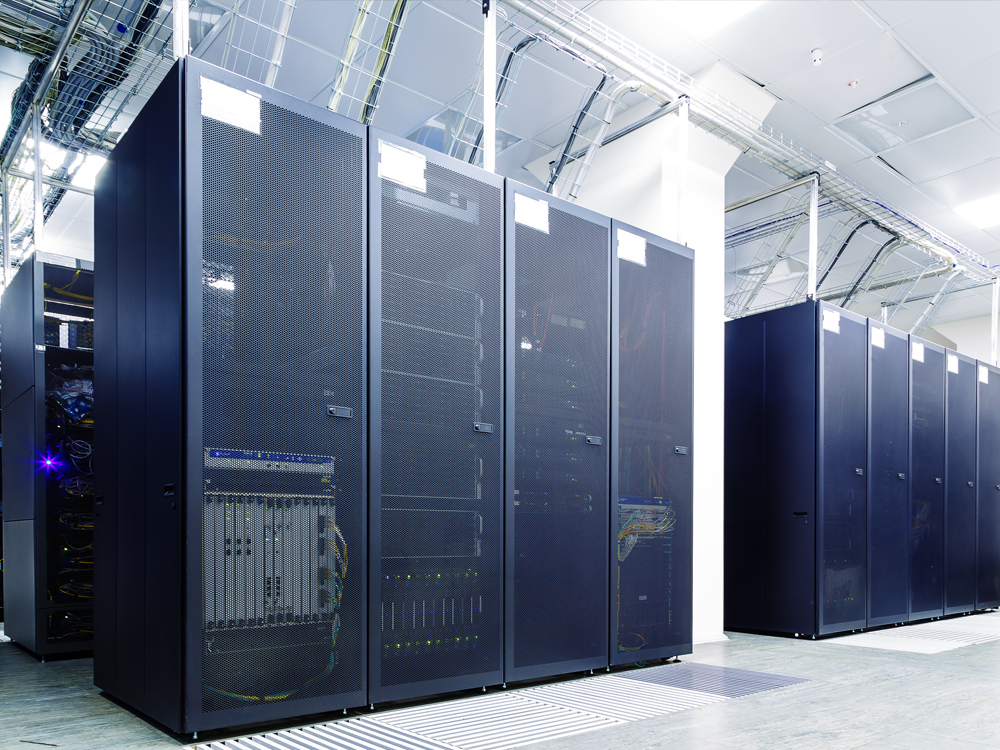
The third is what the money buys. Bloomberg reports the Hangzhou-based startup is ramping up spending on AI infrastructure and open models for domestic and international markets. In plain terms: more GPUs, more data centres, more researchers — and continued open-weight model releases that keep pressure on every competitor’s pricing. The DeepSeek funding round is a war chest sized for compute, talent and a public debut, with strategic backers who bring distribution as much as cash.
The Money Machine: $1B Revenue and 70–80% Margins
Here is the part of the DeepSeek funding story that US investors should find genuinely startling. According to the Wall Street Journal, Liang Wenfeng told investors in September that DeepSeek’s annualised revenue run rate had reached $1 billion — more than double the $400–500 million figure reported just two months earlier in July. For a company that barely charged for anything eighteen months ago, that is a staggering commercial ramp.
Where does the money come from? Almost entirely from developer API access — businesses paying per-token to build on DeepSeek’s models. The free consumer chat app, the one hundreds of millions of people use, generates no advertising or subscription income at all. DeepSeek is monetising the picks-and-shovels layer: the API.
And the margins on that API business are extraordinary. The Journal reports DeepSeek maintained gross margins of 70% to 80% on access to its V4 flagship model, despite charging less than US competitors. A separate account, via The Information and reported by Seeking Alpha, put the gross margin at 82.9% through July — a level that rivals what the US frontier labs report at far higher revenue bases. This is the economic engine underneath the DeepSeek funding round: investors are not betting on a science project, they are buying into a business that already prints money on every API call.
DeepSeek has also started pulling the pricing lever. In August, the company introduced peak-hour pricing that increased rates for its flagship models by roughly four times, PYMNTS reported — while remaining cheaper than major US rivals. That move tells you two things: demand is strong enough that DeepSeek can charge more at busy times without losing customers, and the famous “cheap AI” still has headroom before it approaches American price levels.

A quick glossary note, since “annualised revenue run rate” gets thrown around loosely: it means DeepSeek took a recent period’s revenue and projected it across a full year. It is not the same as audited annual revenue, and — as PYMNTS rightly cautions — annualised revenue does not establish profitability, particularly while DeepSeek keeps pouring money into computing infrastructure. Still, a $1 billion run rate with 70–80% gross margins is the kind of metric that justifies a $74 billion valuation without heroic assumptions.
The software making those economics possible is itself now open source. Our DeepSeek DeepInfer explainer covers the production inference engine DeepSeek published on GitHub — the stack behind those famously low per-token prices.
The 2027 IPO: DeepSeek’s Road to the Shanghai STAR Market
The DeepSeek funding round is not the endgame — it is the runway to one. DeepSeek is accelerating plans for a listing on Shanghai’s STAR Market in early 2027, potentially reaching public markets before OpenAI, according to the Wall Street Journal and PYMNTS.
The IPO machinery has been assembling for months:
- September 2026: DeepSeek hired CITIC Securities, one of China’s largest investment banks, as lead underwriter for the STAR Market listing. The current plan calls for filing the listing application before year-end.
- Earlier: the company appointed its first-ever chief financial officer, Yan Wentao — a partner at GL Ventures born in 1991 — a classic pre-IPO governance move. A venture dealmaker rather than a grey-haired finance veteran, his mandate reportedly covers investor relations and financial controls.
- Target: a listing in early 2027 that would rank among the most anticipated Chinese market debuts in years.
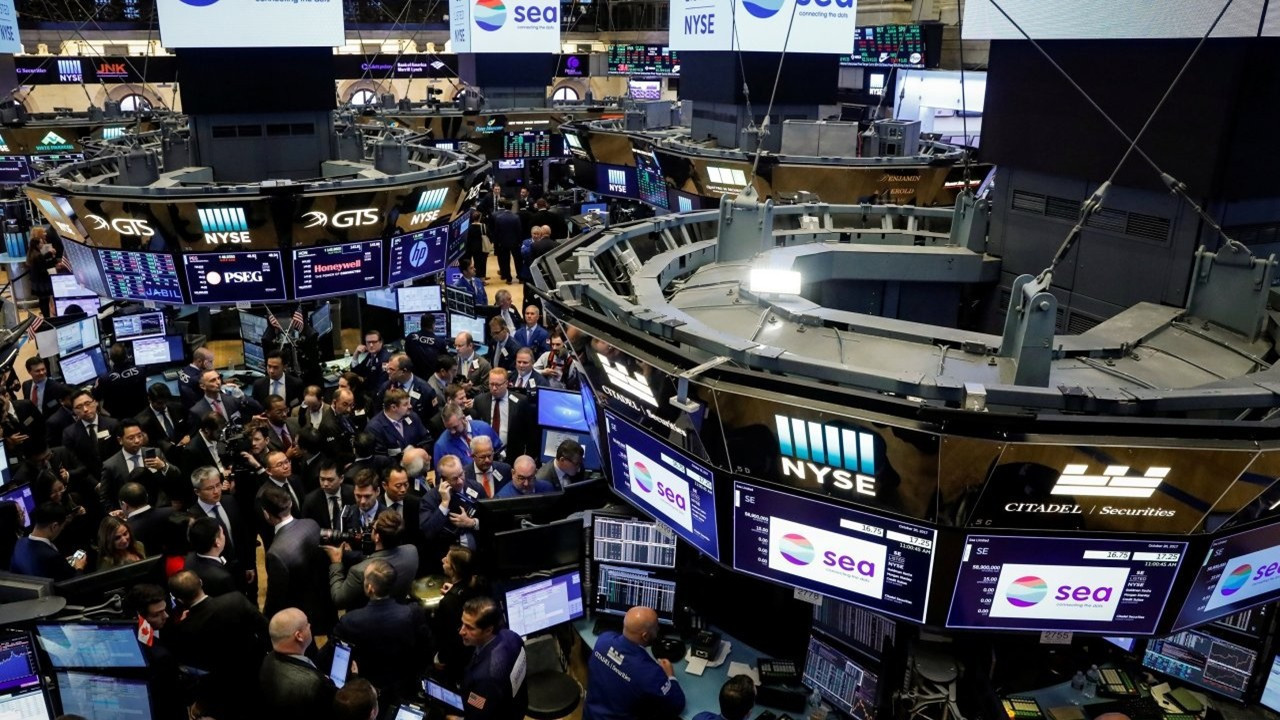
For US readers, the STAR Market is Shanghai’s Nasdaq-style board for high-tech companies — the venue Beijing wants its AI champions to list on rather than New York or Hong Kong. A successful DeepSeek IPO there would be a milestone for Chinese capital markets, giving domestic investors direct exposure to the country’s leading AI lab.
DeepSeek is not alone in the queue. Rival Moonshot AI (maker of the Kimi assistant) secured $2 billion at a $20 billion valuation in May and is pushing toward a Hong Kong IPO in the first quarter of 2027, aiming to raise up to $5 billion. Zhipu AI and MiniMax already went public in Hong Kong in January, with market capitalisations of roughly $29 billion and $7.2 billion respectively. Even Manus AI raised more than $500 million earlier this month. The DeepSeek funding round sits at the top of a full-blown Chinese AI IPO wave — and DeepSeek, at $74 billion pre-money, would debut as its flagship.
Banned in Washington, Banked in Beijing
No account of this DeepSeek funding round is complete without the timing. Just two days before the $15 billion news broke, the United States ordered federal civilian agencies to remove DeepSeek’s AI technology from their systems over security concerns, TechCrunch reported. The sequence — restriction, then record raise — is the defining image of the current AI geopolitics.
What does the US move actually cover? The order targets federal civilian agencies’ use of DeepSeek technology on security grounds. It does not ban the consumer app for ordinary Americans, and it does not stop US developers from calling DeepSeek’s API today. But it is part of a steady tightening: Washington increasingly treats Chinese AI systems as a supply-chain and data risk, while Beijing increasingly treats its AI labs as strategic national assets deserving state-linked capital. The DeepSeek funding round, with its roster of state-backed and supply-chain investors, is Beijing’s answer in financial form.
For users, the practical takeaway is uncertainty rather than alarm. DeepSeek says it is ramping up spending on open models for domestic and international markets, suggesting it has no intention of retreating behind the Great Firewall. But anyone building a business on DeepSeek’s API in the US should be watching Washington’s next moves as closely as DeepSeek’s next model release — because the two are now visibly linked.
What Does DeepSeek Funding Mean for You?
Business news is only useful if it changes something for the reader. Here is what the DeepSeek funding round plausibly changes for four groups of people:
If you use the free DeepSeek app: expect it to stay free — and get better. The app generates no revenue today, and nothing in this DeepSeek funding round suggests that changes. What the money buys is more compute behind the app: faster responses, smarter models, and continued open-weight releases you can run yourself. DeepSeek’s entire brand is “frontier AI at a fraction of the cost”, and $15 billion lets it defend that brand against rivals with far deeper pockets.
If you build on the API: this is where the DeepSeek funding round hits your wallet directly. DeepSeek’s per-token prices are already the industry’s floor — the reason half the AI startup world routes through its API. With 70–80% gross margins, DeepSeek has enormous room to cut prices further if competition demands it, or to hold prices while rivals bleed. The August peak-hour pricing experiment (4x at busy times) hints at more sophisticated pricing to come, but the structural story is deflationary: this funding round finances the infrastructure that keeps AI cheap.
If you self-host open models: good news. DeepSeek’s open-weight strategy — most recently the DeepInfer serving stack released under Apache 2.0 — is now backed by a war chest rather than a research budget. Expect more open releases, better tooling, and continued optimisation for non-Nvidia hardware like Huawei’s Ascend chips.
If you invest or work in AI: the talent war just got hotter. Part of this DeepSeek funding round will go to retaining researchers as US labs and Chinese rivals bid for the same people, and part will go to compute at a scale DeepSeek has never operated at before. Watch the STAR Market filing before year-end — it will disclose financials the private market has only glimpsed.
DeepSeek Funding vs OpenAI and Anthropic: The Money Gap
Perspective matters: even after this record DeepSeek funding round, the company has far less financial firepower than the US frontier labs. OpenAI and Anthropic have each raised more than $100 billion, and their compute spending runs into the tens of billions per year. DeepSeek’s $15 billion — enormous by Chinese standards — is still roughly a seventh of what each American rival has pulled in.
But that comparison misses DeepSeek’s actual edge. The company’s entire history is doing more with less: the January 2025 models that triggered a $1 trillion market selloff were reportedly trained for around $6 million; its API undercuts US rivals while holding 70–80% margins; its inference stack squeezes more tokens per GPU than competitors. The DeepSeek funding round does not need to match OpenAI dollar-for-dollar to matter — it needs to fund enough compute and talent for DeepSeek’s efficiency advantage to keep compounding. On that measure, $15 billion is plenty. The AI race is no longer just about who spends most; it is about who gets most intelligence per dollar. That is a race DeepSeek is currently winning, and this funding round is fuel for it.
The broader efficiency story is the week’s theme across the industry — our Inception Mercury 3 explainer covers the diffusion LLM pushing 1,068 tokens per second, the same “faster and cheaper” logic from the US side.
Frequently Asked Questions
How much did DeepSeek raise in its 2026 funding round?
About $15 billion (100 billion yuan), first reported by Bloomberg on 22 October 2026 and confirmed by Reuters, the Wall Street Journal and TechCrunch. It is one of the largest private funding rounds in Chinese history. Reuters notes the round is still being finalised, so details could shift slightly before it formally closes.
Who invested in DeepSeek’s $15 billion round?
The biggest investors are battery maker CATL and WeChat operator Tencent. New investors include Midea, Meituan, Geely and GigaDevice, alongside funds Boyu Capital, CPE and Legend Capital. Existing shareholders IDG Capital and NetEase also participated. More than 15 investors joined in total.
When is the DeepSeek IPO happening?
DeepSeek is targeting a listing on Shanghai’s STAR Market in early 2027, with CITIC Securities hired as lead underwriter and a listing application expected before the end of 2026. If it happens on schedule, DeepSeek could reach public markets before OpenAI.
Will DeepSeek funding make its AI cheaper or more expensive?
Most likely cheaper, or cheap for longer. The funding round finances computing infrastructure and open-model development — the two things that drive DeepSeek’s famously low prices. With 70–80% gross margins on its API, DeepSeek has plenty of room to cut prices if competition intensifies. The one counter-signal: August’s peak-hour pricing raised flagship rates roughly fourfold at busy times — though they remain cheaper than US rivals.
The Bottom Line
The DeepSeek funding round is the moment China’s AI champion grew up financially. Fifteen billion dollars, a $74 billion valuation, $1 billion in annualised revenue at software-like margins, and a 2027 IPO on the horizon — DeepSeek has gone from research lab to fully capitalised competitor in under a year. For users, the promise is straightforward: the world’s cheapest frontier AI now has the war chest to stay cheap. For the industry, the message is sharper: the efficiency race DeepSeek started in 2025 just got $15 billion of fuel. Watch the STAR Market filing before year-end — that is when we will finally see the real numbers behind the story.
All figures in this article are drawn from reporting by Bloomberg, Reuters, the Wall Street Journal, TechCrunch and PYMNTS published 22 October 2026. Funding details remain subject to final closing. This article is for informational purposes and is not investment advice.