
After more than two years of waiting, Apple Intelligence China is finally real. On October 31, 2026, Apple confirmed that its AI features will reach iPhones in mainland China, with testing starting November 4 and a public release coming with iOS 27.3 in December. The twist that makes this launch different from every other Apple Intelligence rollout is the partner: in China, Siri hands certain requests to Alibaba’s Qwen model instead of ChatGPT.
This guide explains exactly what Apple Intelligence China includes, which iPhones can run it, what is missing from the first release, and why Apple needed a local partner at all. If you are a US iPhone owner, you will also learn what this launch does and does not change for you.
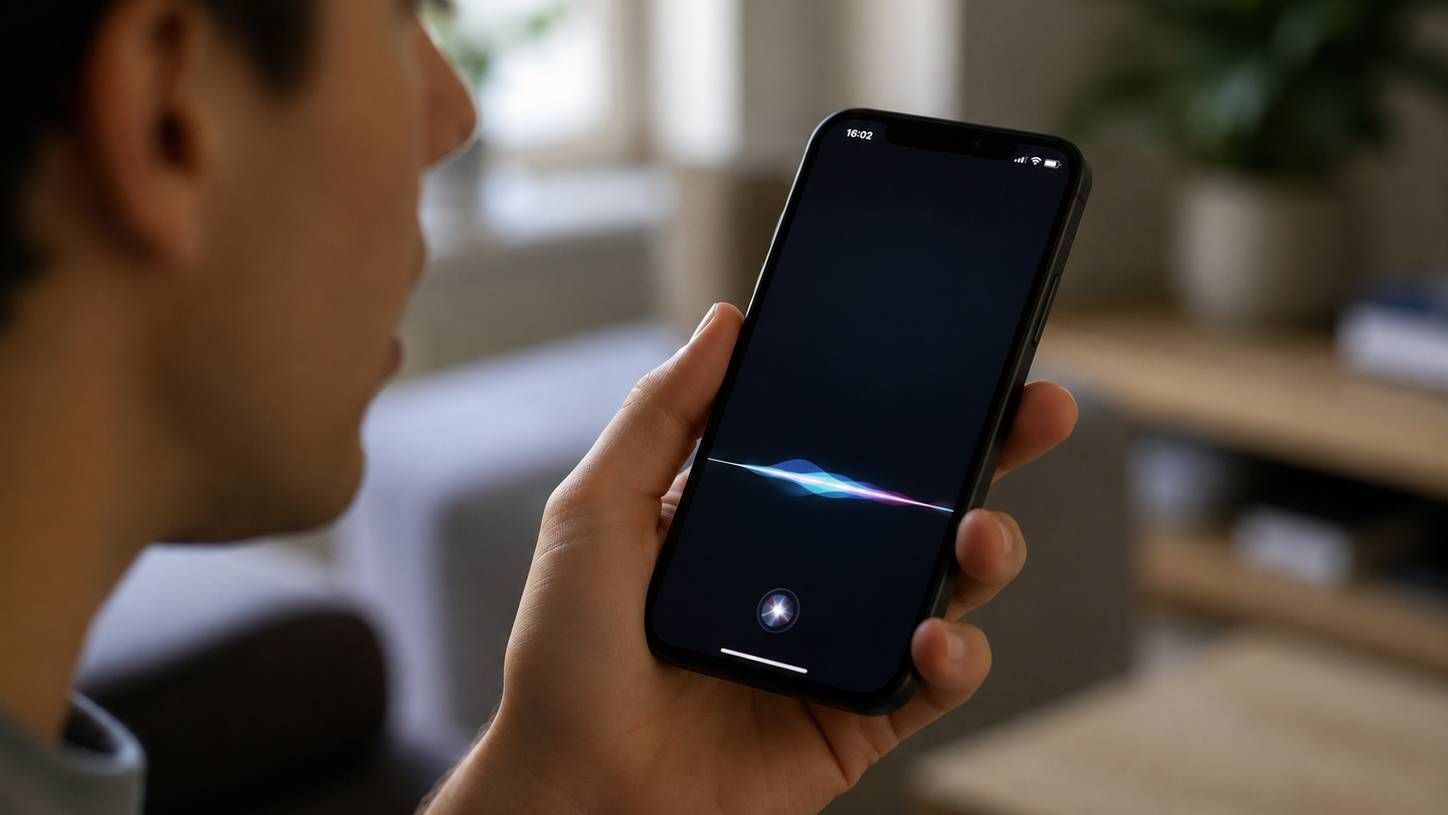
Table of Contents
- What Apple Announced for Apple Intelligence China
- Apple Intelligence China Features: What You Actually Get
- Which iPhones Work, and Who Qualifies
- What Is Missing From the First Release
- Why Qwen, and Why It Took Two Years
- Apple Intelligence China vs the Rest of the World
- What Apple Intelligence China Means for US iPhone Owners
- What to Watch Next: November 4 and December
- Apple Intelligence China FAQ
- The Bottom Line
What Apple Announced for Apple Intelligence China
Apple announced the rollout in a Chinese-language press release on its China Newsroom on October 31, 2026. The announcement sets out a two-step schedule. First, testing opens on November 4, 2026, with the latest iOS developer beta. Then the features reach everyone in mainland China with the public release of iOS 27.3 in December 2026.
Apple has not given an exact December day for the public release, so treat any specific date you see elsewhere as unconfirmed unless Apple itself states it. The November 4 testing date is the firm one, and it is tied to the developer beta rather than to a named build. Reports at the time of writing note that no iOS 27.3 beta build had been seeded yet when the announcement landed, which is worth knowing if you follow beta trackers closely.
The headline partnership is with Alibaba. Apple says it has teamed up with Alibaba so that Qwen works inside selected Apple Intelligence experiences in China. Alibaba’s chief executive, Eddie Wu, welcomed the deal publicly, saying Qwen will work with Apple to deliver new AI-powered service experiences to Chinese users.
There is no extra charge announced for Apple Intelligence China. Apple Intelligence itself ships as part of iOS, and Apple has not announced a separate price for the China rollout. Users sign in with a Qwen account or with Sign in with Apple to reach Qwen-powered features.
Apple Intelligence China Features: What You Actually Get
The first wave of Apple Intelligence China is the first generation of Apple Intelligence features, not the newest ones. Reports counting Apple’s list put the total at around 18 features. They cover writing, translation, photos, mail, messages, and notifications. Here is how the most important ones work.
Siri and Qwen: the heart of Apple Intelligence China
Siri is where the Qwen partnership is most visible. In Apple Intelligence China, Siri can pass certain requests to Qwen. That includes questions about photos and documents such as PDFs and presentations. In practice, that means you can ask about something in a document or an image and get an answer powered by Qwen, without leaving Siri.
This matters because it mirrors what ChatGPT does for Siri in other countries. Outside China, Siri can hand complex questions to ChatGPT. Inside China, Qwen plays that role. The experience is meant to feel the same from the user’s side: ask Siri, and Siri brings in the outside model only when the request needs it.
One detail worth noting is the sign-in choice. Users can reach Qwen through a Qwen account or through Sign in with Apple. That choice matters for people who do not already have a Qwen account, since it means the feature is not locked behind a separate registration step if you prefer Apple’s sign-in.
Writing Tools with Qwen’s Create feature
Writing Tools is the second place Qwen shows up directly. The familiar tools are all there: rewriting text, proofreading, and summaries. The Qwen addition is a Create option that writes original content from scratch inside Writing Tools.
Think of it as the difference between editing and drafting. Rewriting and proofreading improve text you already wrote. The Create feature generates new text when you ask for it, which is useful for starting a message, a note, or a short document when you are staring at a blank screen.
For students and office workers, this is probably the most practical part of Apple Intelligence China. Writing Tools works across the system, so the same rewriting and drafting help is available wherever you type, not only inside one app.
Visual Intelligence: ask about what the camera sees
Visual Intelligence lets the iPhone identify and explain what the camera sees. Point the camera at something, ask about it, and get information back. In Apple Intelligence China, Qwen supports this experience too, including questions about photos.
Visual Intelligence pairs naturally with the document features. A photo of a poster, a page, or a slide can become something you can ask questions about, rather than just an image sitting in your library. Combined with Clean Up in Photos, which removes unwanted objects from pictures, the camera side of Apple Intelligence China covers both understanding images and tidying them up.
Everyday features: translation, mail, messages, and notifications
Beyond the Qwen-powered highlights, Apple Intelligence China includes the everyday features that made Apple Intelligence useful in the first place. Live Translation works in Messages, FaceTime, and Phone calls, and in person through AirPods. That last one is easy to underestimate: holding a conversation across a language gap, with translation delivered through earbuds, is one of the most immediately practical AI features on a phone.
Mail and messages get the familiar set: Priority Mail, email summaries, Smart Reply, and notification summaries. Priority Notifications and Reduce Interruptions help the phone decide what deserves your attention right now and what can wait. Audio transcription summaries and call summaries turn long recordings and calls into short, readable notes.
Photos get several features of their own: Genmoji for creating custom emoji, natural-language photo search for finding a picture by describing it, and Memory Movie creation for turning a set of photos into a short film. Type to Siri rounds out the list for people who prefer typing to talking.
Which iPhones Work, and Who Qualifies
Apple Intelligence China is iPhone only for now. The supported models, according to Apple’s China materials, are the iPhone 15 Pro and iPhone 15 Pro Max, every iPhone 16 model and later including the iPhone 16e and iPhone 17e, the iPhone Air, and the iPhone Duo.
That list follows the same hardware logic as Apple Intelligence elsewhere. The features need a recent chip with enough on-device AI performance, which is why older iPhones are left out even if they run iOS 27.3 itself. If your iPhone is not on the list, updating to iOS 27.3 will not add these features. Apple’s latest hardware push in this direction is covered in our guide to the Apple M6 MacBook Pro and iMac, which shows how Apple is building its newest machines around on-device AI.
Eligibility is not only about the phone model. Two further conditions apply, and both matter. First, the device and Siri must be set to English or Simplified Chinese. Second, access is tied to China: it is available to users who bought an Apple Intelligence-capable iPhone in China, or whose device location and Apple Account country or region are both set to China.
That second rule is the one people get wrong most often. Changing a single setting is not enough. Device location and account region both need to point to China. If you are a US iPhone owner travelling in China, or a Chinese iPhone owner travelling abroad, the eligibility rule is what decides whether the features appear, not simply where you happen to be standing.
What Is Missing From the First Release
The first release of Apple Intelligence China deliberately leaves out the newest features. Apple says Siri AI and the other next-generation Apple Intelligence features announced at its Worldwide Developers Conference in 2026 are not included. Reports also note that Image Playground, Apple’s image generator, is missing from Apple’s list for China.
That gap is worth understanding clearly. What China gets in December is essentially the Apple Intelligence that US users received two years earlier, starting with iOS 18.1. It is a solid, useful set of features, but it is not the cutting edge of Apple’s AI work in late 2026.
The other major limit is platform. The first batch is iPhone only. iPads and Macs are not included yet. Alibaba said in July 2026 that Qwen would eventually be incorporated into Apple Intelligence across iOS, iPadOS, macOS, and visionOS in China, but that wider rollout still needs the necessary approvals. For now, if you use an iPad or a Mac in China, this announcement does not change anything for you.
None of this is unusual for a regulated launch. Apple is shipping what has been approved, on the devices that have been approved, and holding the rest for later. The practical question for users is simply whether the first wave is useful enough on its own, and for most everyday tasks, it is.

Why Qwen, and Why It Took Two Years
Apple Intelligence was first unveiled at Apple’s Worldwide Developers Conference in 2024, and it reached US users with iOS 18.1. China waited more than two years. The reason is regulation, not technology.
China requires generative AI services to go through registration and approval before they can be offered to the public. In July 2026, China’s cyberspace regulator registered Apple’s on-device generative AI service for use on iPhones, clearing a major hurdle. That registration was the signal that a launch was finally possible.
The second reason is the model itself. ChatGPT, which powers Siri’s outside-model requests in most countries, is not available in China. Apple needed a local model partner that could operate within Chinese rules. Alibaba’s Qwen is one of China’s leading AI model families, and Alibaba confirmed its Apple partnership in February 2025, long before this launch date was set.
There is also a reporting footnote worth knowing. Bloomberg’s Mark Gurman reported on October 14, 2026 that a December launch in iOS 27.3 was planned, without Siri AI or image generation. His report also linked Baidu to the project. Apple’s October 31 announcement names only Alibaba. Until Apple says otherwise, Alibaba is the confirmed partner, and anything about other partners is unconfirmed reporting.
For Apple, the stakes go beyond one feature launch. China is one of its largest iPhone markets, and for two years Chinese iPhones lacked the AI features that competitors were advertising heavily. Closing that gap, even with a first-generation feature set, matters for how competitive the iPhone looks on a store shelf in Shanghai or Beijing. Regulation shaping AI access is a wider pattern, not a one-off: we have covered how websites are blocking AI agents for similar reasons, where rules, liability, and control decide what an AI product is allowed to do.
Apple Intelligence China vs the Rest of the World
The simplest way to understand Apple Intelligence China is as a parallel version of Apple Intelligence with one major substitution. The on-device features are the same family. The outside model changes: Qwen in China, ChatGPT elsewhere.
| Feature area | In China (iOS 27.3) | Outside China |
|---|---|---|
| Outside model for Siri | Alibaba Qwen | ChatGPT |
| Writing Tools drafting | Qwen Create feature | ChatGPT-powered Compose |
| Visual Intelligence | Qwen-supported questions about photos | ChatGPT and Google-supported queries |
| First-generation features | Yes, around 18 features | Yes, since iOS 18.1 |
| Next-generation Siri AI | Not included yet | Announced at WWDC 2026 |
| Image Playground | Not on Apple’s China list | Available |
| Devices at launch | iPhone only | iPhone, iPad, Mac, and more |

That table also explains why Apple Intelligence China feels both familiar and behind at the same time. The everyday features are the same ones users elsewhere have relied on for two years. The frontier features are still to come. The gap is a matter of timing and approvals, not a different product philosophy.
One more comparison matters: privacy. Apple has built Apple Intelligence around on-device processing wherever possible, and that approach carries over to China. The Qwen requests are the exception, since they go to an outside model, just as ChatGPT requests do elsewhere. Users who care about this distinction should know which features stay on the device and which ones send a request out, and Apple’s sign-in choice for Qwen is part of that picture. If privacy controls are your main concern, our ChatGPT Locked Chats privacy guide explains how locking and access controls work on the other side of that divide.
What Apple Intelligence China Means for US iPhone Owners
If you use an iPhone in the United States, Apple Intelligence China changes nothing on your phone directly. Your Siri keeps its existing integrations, your Writing Tools keep working as before, and iOS 27.3 will not suddenly switch you to Qwen. Eligibility depends on device location and account region both being set to China, so a US account on a US-bought iPhone stays exactly where it is.
That said, the launch still matters for US readers for three reasons. First, it shows Apple’s two-model strategy in plain sight. Apple is no longer a one-partner AI company. It works with ChatGPT in most of the world and with Qwen in China, and that dual approach is likely to shape how Apple talks about AI partnerships from here on.
Second, it is a useful reminder of how regulation shapes AI rollouts. The same feature can be available in one country and unavailable in another for reasons that have nothing to do with the technology. If you follow AI news, expect more launches like this one, where the announcement is really about approvals and partnerships rather than a brand-new capability.
Third, it hints at what comes next. If the December launch goes smoothly, the natural next steps are iPad and Mac support in China, and eventually the next-generation Siri features. US users will not get those from the China rollout, but the pace of approvals in China is now a signal worth watching for anyone tracking Apple’s global AI plans.

For US buyers, there is also a practical buying note. If you are considering an iPhone as a gift for someone in China, or buying one while travelling, check the eligibility rules before assuming Apple Intelligence will work the same way. The phone model is only half the story. The account region and device location settings decide which version of Apple Intelligence you actually get.
What to Watch Next: November 4 and December
Two dates matter from here. November 4, 2026 is when testing opens in the latest iOS developer beta. That is when testers in China will first be able to try the features and report how Qwen behaves inside Siri and Writing Tools in real use. Expect early reports to focus on answer quality, language handling between English and Simplified Chinese, and any rough edges in the first beta.
December 2026 is when iOS 27.3 ships publicly with the features for everyone in China. Apple has not named a December day, so the honest advice is to watch for Apple’s release announcement rather than trusting a leaked date. When the public release lands, the interesting questions will be how quickly users adopt the features and whether Apple says anything new about iPad, Mac, or next-generation Siri timing.
Beyond those two dates, watch for three things. One, whether Apple names any additional model partners for China. Two, whether the next-generation Siri features get a China timeline. Three, whether other phone makers point to this launch in their own marketing, since AI features have become a major selling point in China.
For now, the story is simple: after two years, Apple Intelligence China is finally arriving, powered by Qwen, starting with iPhones, and starting in December.
Apple Intelligence China FAQ
When does Apple Intelligence China launch?
Testing starts November 4, 2026, with the latest iOS developer beta. The public release comes with iOS 27.3 in December 2026. Apple has not announced an exact December date.
What is Qwen’s role in Apple Intelligence China?
Qwen is Alibaba’s AI model, and it powers selected Apple Intelligence experiences in China. Siri can pass certain requests to Qwen, including questions about photos and documents such as PDFs and presentations. Writing Tools gains a Create feature that uses Qwen to write original content. Visual Intelligence also draws on Qwen for questions about what the camera sees.
Which iPhones support Apple Intelligence China?
The iPhone 15 Pro and iPhone 15 Pro Max, every iPhone 16 model and later including the iPhone 16e and iPhone 17e, the iPhone Air, and the iPhone Duo. The device and Siri must be set to English or Simplified Chinese, and the device location and Apple Account country or region must both be set to China, or the iPhone must have been bought in China.
Does Apple Intelligence China include the new Siri AI?
No. Apple says Siri AI and the other next-generation Apple Intelligence features announced at WWDC 2026 are not included in the first release. Image Playground is also not on Apple’s list for China. What arrives is the first generation of Apple Intelligence features.
Do US iPhone owners get Qwen?
No. US iPhones keep their existing Apple Intelligence setup. Apple Intelligence China applies only where the device location and Apple Account region are both set to China, or the iPhone was bought in China. Changing one setting alone does not switch you to the China version.
Does Apple Intelligence China cost extra?
Apple has not announced any extra charge. Apple Intelligence ships as part of iOS, and users reach Qwen features by signing in with a Qwen account or with Sign in with Apple. No separate subscription price has been stated for this rollout.
The Bottom Line
Apple Intelligence China is a launch that is easy to underrate and easy to overrate at the same time. It is not a new AI breakthrough. It is the first generation of Apple Intelligence, finally approved for China, with Alibaba’s Qwen standing in where ChatGPT stands elsewhere. But it is also the end of a two-year gap in one of Apple’s most important markets, and the start of a dual-model strategy that will shape Apple’s AI story for years.
If you are in China with a supported iPhone, the December release is worth updating for: Live Translation, Writing Tools, Visual Intelligence, and the rest of the first-generation set are genuinely useful. If you are in the US, nothing changes on your phone, but the launch is still worth understanding, because it shows how AI now rolls out country by country, partner by partner, approval by approval.
Sources
Apple’s October 31, 2026 China Newsroom announcement is the primary source for the dates, device list, and feature set in this article. It is reported and summarised by CGTN’s coverage of the Alibaba Qwen partnership and by The Apple Post’s report on the December iOS 27.3 rollout, both of which confirm the November 4 testing date and the Qwen integration details.